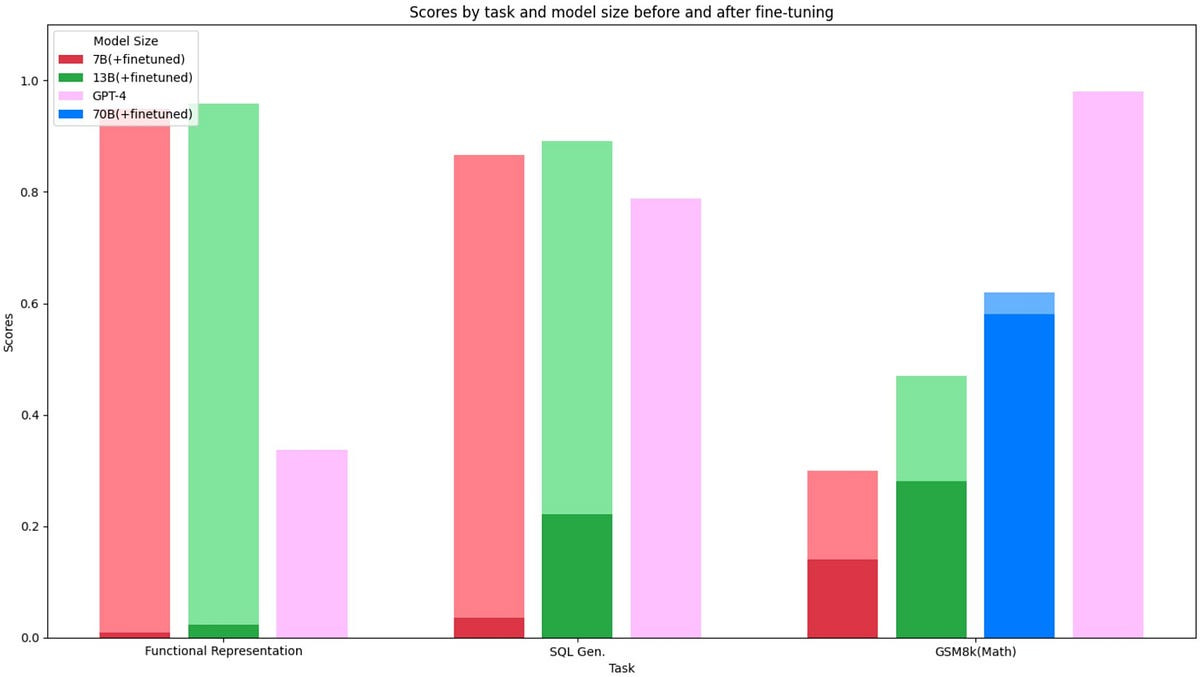
In recent years, the trend in AI has been towards larger and larger language models, with billions of parameters. However, emerging research suggests that smaller, more efficient language models can often match or even outperform their larger counterparts when designed and trained properly. These small language models (SLMs) offer significant advantages in terms of computational efficiency, deployment flexibility, and reduced environmental impact.
Unlike massive models that require extensive resources, SLMs focus on optimizing architecture and training techniques to maximize performance with fewer parameters. This approach not only makes AI technology more accessible but also enables faster inference and easier integration into edge devices and real-time applications.
Efficiency and Performance
Efficiency is a key advantage of small language models. By reducing the number of parameters and focusing on task-specific optimizations, SLMs can achieve comparable accuracy with significantly lower computational cost. Techniques such as knowledge distillation, pruning, and quantization help in compressing large models into smaller, more efficient versions without substantial loss of performance.
This efficiency translates into practical benefits such as reduced latency, lower energy consumption, and cost savings, making AI applications more sustainable and scalable.
Context-Specific Models
Another promising direction is the development of context-specific small language models tailored to particular domains or tasks. Instead of relying on a one-size-fits-all large model, these specialized SLMs are trained on focused datasets, allowing them to excel in niche areas with less data and computational overhead.
This targeted approach enhances model relevance and accuracy while maintaining the benefits of smaller size and efficiency.
Conclusion
The future of language modeling may well lie in the balance between size and efficiency. Small language models demonstrate that with the right design and training strategies, less can indeed be more. By embracing SLMs, the AI community can build powerful, accessible, and sustainable models that meet the diverse needs of users and applications worldwide.